Hackettstown Gutter Installation for Maximum Performance and Minimal Maintenance

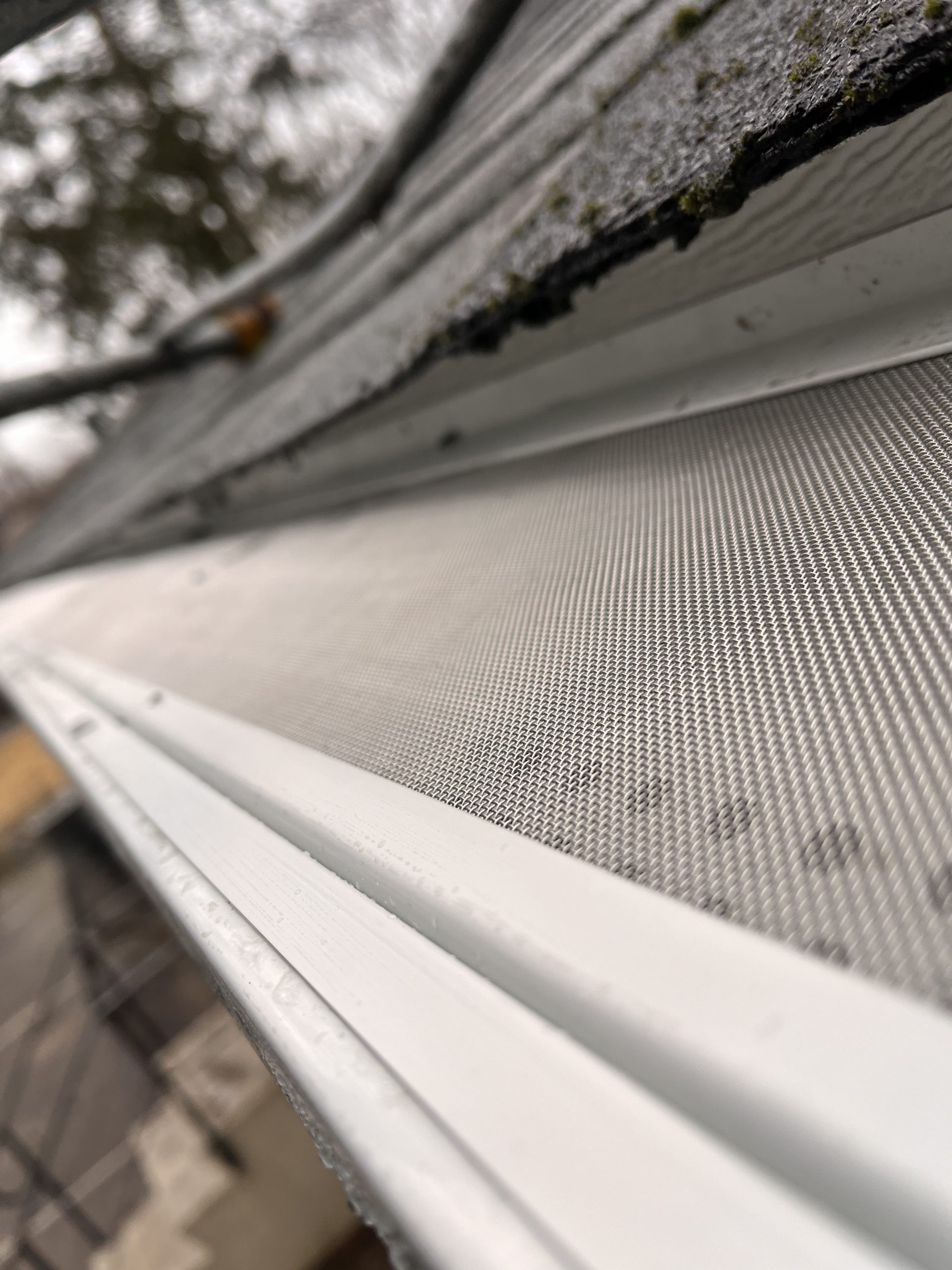
A gutter system does two jobs at once. It protects the parts of the house you can see, such as siding, trim, doors, and landscaping, and it protects the parts you usually do not notice until something goes wrong, such as fascia boards, soffits, the foundation, and the soil around the perimeter. In a place like Hackettstown, where the weather can swing from summer downpours to winter ice and snow, gutter performance matters more than many homeowners realize.
Good gutters are not just about catching rain. They need to move a high volume of water quickly, stay attached under load, drain away from the house, and do all of that without demanding constant cleaning or patching. When people start thinking about Gutter Installation, they often focus on the visible profile or color. Those choices matter, but the real performance comes from sizing, slope, fastening, outlet placement, and how the whole system handles local conditions.
The best Gutter Installation Hackettstown homeowners can invest in is one that matches the roof, the trees, the pitch of the lot, and the maintenance tolerance of the people living there. A beautiful gutter that clogs every month is not a great gutter. A cheap gutter that sags under the first heavy snow is worse.
Why gutters fail long before the metal wears out
Most gutter problems do not begin with holes. They start with design shortcuts. I have seen systems only a few years old overflow because the installer undersized the gutters for the roof area. I have also seen perfectly decent aluminum gutters fail because there were too few downspouts, or because the downspouts discharged too close to the foundation. Water always finds the weak point. If it cannot move through the gutter fast enough, it spills over the front edge. If it cannot get down and away, it backs up, erodes soil, stains masonry, and sometimes works its way into basements or crawlspaces.
Hackettstown homes vary widely. You may have an older home with detailed trim and a steeper roofline, a mid-century ranch with long eaves, or newer construction with multiple valleys that dump large amounts of water into concentrated areas. Each of those conditions changes what a proper Gutter Installation should look like. Valleys, in particular, can overwhelm an ordinary setup. During a hard rain, a roof valley can pour water into a short section of gutter with surprising force. That is where splash-over, seam stress, and hanger failure often begin.
Maintenance habits matter too. A house shaded by mature trees may need a different strategy than a house in an open development. If leaves, seed pods, pine needles, and roof grit are constant, you are not just buying gutters. You are buying a system for dealing with debris over time.
The Hackettstown factor, weather, terrain, and seasonal load
Hackettstown is not a one-season gutter market. Spring can bring steady rain. Summer storms can dump water quickly. Fall loads gutters with leaves. Winter adds snow and freeze-thaw cycles, which test both attachment strength and drainage. That mix is why local judgment matters.
During winter, ice formation along the roof edge can stress a gutter in ways homeowners do not always expect. The issue is not only the weight of snow. It is repeated freezing and thawing, backed-up slush at outlets, and the extra force placed on hangers when trapped water refreezes. A lightweight system installed with wide hanger spacing may look fine in October and start pulling away by February. That does not mean every home in Hackettstown needs an overbuilt commercial-style solution, but it does mean the installation needs to account for seasonal load.
Terrain is another overlooked factor. Many properties in and around Hackettstown have subtle grading issues. Even a slight pitch toward the house can turn routine runoff into a long-term moisture problem. If downspouts empty near the foundation, water can settle where it should not. On some houses, adding extensions is enough. On others, underground drainage or daylighting water farther downslope makes more sense. The gutter system and the drainage plan have to work together. Installing new gutters without thinking about discharge is like replacing tires without checking alignment.
What maximum performance actually looks like
A high-performing gutter system is quiet during ordinary rain, controlled during heavy rain, and uneventful through most of the year. You should not see regular overflow, drips from seams, black tiger-strip staining, or water pooling near the base of the house. The fascia should stay dry. Mulch should stay in place instead of washing out. In winter, you may still see icicles in certain conditions, but you should not see gutters twisting, sagging, or separating.
Proper slope is one of the most important details, and one of the easiest to miss from the ground. Gutters need enough pitch to move water toward the outlets, but not so much that the line looks visibly crooked. On long runs, that balance takes care and measurement. Too little slope leaves standing water. Too much creates an awkward appearance and can affect capacity. The best installers take time to establish the line correctly rather than rushing to hang the metal and move on.
Outlet placement also matters more than many people think. A long straight run with only one downspout may look tidy, but it can bottleneck during hard rain. On the other hand, adding downspouts in the wrong places can clutter the exterior and create drainage problems at grade. This is where experience shows. The right layout is rarely accidental.
Choosing the right gutter size and profile
Five-inch gutters remain common on many homes, and in plenty of situations they perform well. But there are roofs in Hackettstown where six-inch gutters and oversized downspouts are the smarter choice. The decision depends on roof area, pitch, valley concentration, and how much tolerance you want for heavy storms and debris.
K-style gutters are the most common residential profile because they hold a good volume of water and pair well with many architectural styles. Half-round gutters appeal to homeowners with historic or custom homes, and they can work beautifully, but they typically need thoughtful sizing and support. They are often chosen as much for aesthetics as for drainage.
Material choice influences both durability and maintenance expectations. Aluminum is widely used because it is rust-resistant, relatively affordable, and available in many colors. Steel is stronger but heavier and more vulnerable to corrosion if finishes fail. Copper is long-lasting and visually striking, though it comes at a premium and demands a house style that justifies it. Vinyl is inexpensive but less attractive in climates with temperature swings, and it generally does not hold up as well over time.
Here are the most common material and size combinations homeowners compare during Gutter Installation:
- Five-inch aluminum K-style, a practical fit for many standard rooflines and budgets.
- Six-inch aluminum K-style, a strong option for steep roofs, larger roof planes, and heavy runoff areas.
- Steel gutters, useful where extra strength is valued, provided maintenance and coating condition are taken seriously.
- Copper gutters, chosen for longevity and appearance, often on higher-end or architecturally distinctive homes.
- Half-round profiles, usually selected for aesthetic reasons, with performance depending heavily on correct sizing and support.
That list is only a starting point. The right choice depends on how the whole system is configured.
Seamless gutters and why they usually make sense
For most residential projects in Hackettstown, seamless aluminum gutters are the default recommendation for a reason. Every seam is a potential leak point and a place where debris can catch. A seamless run, formed on site to the correct length, reduces those vulnerabilities. You still have seams at corners and outlets, but far fewer than with sectional systems.
This is not just about leak prevention. Fewer seams also mean fewer spots where maintenance compounds fail over time. Sealants age. Expansion and contraction work on joints year after year. A seamless system cannot eliminate all service needs, but it usually reduces them. That is a direct path to minimal maintenance.
I have seen older sectional gutters kept alive with repeated caulking, patching, and rehanging. At a certain point, that cycle costs more in time and frustration than replacing the system properly. When a homeowner says, “I only want to deal with this once,” seamless is often the right answer.
The hardware behind a durable installation
A gutter is only as reliable as what holds it to the house. Hidden hangers with screws are now the standard for good reason. They create a cleaner appearance and usually provide stronger, more consistent support than old spike-and-ferrule methods. Hanger spacing should reflect local conditions, roof load, and the installer’s judgment. In areas that see snow and ice, tighter spacing often pays off.
Fastening into solid wood matters. If the fascia is already soft or rotted, new gutters can only conceal the problem briefly. A responsible installer checks the substrate and recommends repairs before hanging a new system. Skipping that step may save money on the day of installation, but it almost guarantees trouble later. Gutters pulling away from compromised wood are not a materials failure. They are an installation oversight.
Downspout straps and elbows deserve the same attention. Loose or poorly aligned downspouts rattle, leak, and take impacts badly. That sounds minor until someone drags a trash can past one or a ladder bumps into it. Small details add up in exterior work.
Minimal maintenance starts with design, not accessories
Leaf guards, gutter screens, and helmet-style covers can be useful, but they are not magic. I have worked around protected systems that stayed impressively clean for years, and I have seen others clog with fine debris because the roof shed pine needles, maple seeds, or gritty shingle particles in a way the guard was not well suited to handle. The point is not that guards are bad. The point is that maintenance reduction starts with proper design first.
If the gutter is too small, the guard will not fix capacity. If the downspout layout is poor, the guard will not fix drainage. If tree litter is extreme, the guard may cut cleaning frequency but not eliminate it. Homeowners are often happiest when the expectations are honest from the beginning.
A practical low-maintenance strategy usually combines a well-sized seamless gutter, correctly placed downspouts, strong hangers, and a guard system matched to the kind of debris the property actually gets. On some homes, annual inspection is enough. On heavily wooded lots, there may still be a need for periodic attention, just less often and with less mess.
Signs your current system is underperforming
Many homeowners wait for obvious leaks before they think about replacement, but the early warnings usually show up sooner. The trick is knowing what to watch for.
Look for these common signs that your gutters are not doing the job well:
- Water spilling over the front edge during moderate rain, especially near valleys.
- Gutters that sag, pull away from the fascia, or hold standing water after a storm.
- Peeling paint, dark streaks, or rot on fascia and soffit boards.
- Soil erosion, mulch displacement, or puddling near the foundation.
- Frequent clogging that returns quickly even after cleaning.
One homeowner in a tree-lined neighborhood assumed basement dampness was a grading problem. Part of it was, but the real issue started at the roofline. A single undersized downspout was handling runoff from a large rear slope. During storms, water overflowed, soaked the planting bed, and fed moisture back toward the foundation wall. The https://charlieuyvd192.novacrestiq.com/posts/how-homeowners-benefit-from-seamless-gutter-installation-hackettstown fix was not dramatic. It involved resizing part of the system, improving discharge distance, and correcting pitch. The basement stayed noticeably drier after that.
The installation process, where quality shows up
A good Gutter Installation is not complicated in theory, but it is easy to get wrong in practice. The work begins with measurement and planning. Roof sections are evaluated for run length, outlet placement, corners, valleys, and discharge paths. Then the installer checks fascia condition and identifies any trouble spots that need repair first.
Fabrication and fitting are where craftsmanship becomes visible. Seamless sections should be cleanly formed, carefully lifted, and installed without kinks or stress points. Corners need tight, durable connections. Outlets should be properly cut and secured, not hacked open with rough edges. The final line should look straight to the eye while still carrying the necessary slope.
Testing matters too. A reputable crew often verifies flow before wrapping up, especially on more complex layouts. That may sound basic, but it is surprising how many avoidable callbacks come from skipped checks. When water immediately reveals a low spot or a splash issue, it is far easier to correct before the job is considered complete.
How to balance budget with long-term value
Homeowners naturally compare estimates, and they should. Gutter pricing can vary a lot depending on material, profile, height, access, number of stories, complexity, and accessory choices. The lowest price is not always a warning sign, but it often reflects something being simplified, thinner metal, fewer hangers, minimal downspout planning, no debris solution, or limited detail work around corners and high-flow areas.
When comparing proposals, it helps to look beyond the per-foot number. Ask what gauge or thickness is being used, how downspout sizing is handled, how hanger spacing is determined, and what is included for drainage extensions or site cleanup. Those answers reveal whether the contractor is selling a true system or just hanging metal at the edge of the roof.
There is a sensible middle ground for many homes in Hackettstown. It usually involves seamless aluminum, hidden hangers, thoughtful downspout placement, and optional leaf protection where the property justifies it. That setup tends to deliver strong value because it holds up well, looks clean, and keeps future maintenance reasonable.
Color, curb appeal, and practical appearance
A gutter system should quietly fit the house. Most homeowners choose a color that blends into fascia and trim, which makes sense. But there are cases where contrast works, especially on homes with darker trim packages or architectural features worth emphasizing. The key is restraint. Gutters should support the exterior, not dominate it.
Downspouts deserve attention too. Their path affects appearance more than the gutter itself. On front elevations, careful routing can preserve clean lines. On side and rear elevations, function usually leads. A contractor with good exterior judgment can often make practical decisions that still look intentional. That is part of professional Gutter Installation, even if it does not show up as a line item.
Maintenance that actually keeps systems working
Minimal maintenance does not mean no maintenance. Even the best system benefits from periodic checks. After major storms, it is worth walking the perimeter and looking for overflow marks, loose straps, bent elbows, or washout near discharge points. In the fall, especially in leafy sections of Hackettstown, visual checks can prevent a winter backup.
Most homeowners do not need an elaborate routine. What they need is consistency. If a tree starts dropping more debris than it used to, or if a downspout extension keeps getting kicked loose, address it before the wet season compounds the issue. Small preventive corrections are cheap. Water damage is not.
One habit I recommend is watching the house during a real storm at least once a year. Not from every angle and not as a chore, just enough to see how water behaves. You learn more from ten minutes in a steady rain than from a month of guessing in dry weather.
What to ask before hiring a contractor in Hackettstown
A dependable installer should be comfortable talking through sizing, slope, downspout locations, and drainage beyond the roof edge. If the conversation stays only on color and linear footage, that is not a great sign. Ask how the recommendation changes for your specific roof shape. Mention valleys, overflowing areas, ice concerns, and tree cover. A contractor with real field experience will respond with specifics, not canned reassurances.
It also helps to ask what problems they see most often on homes like yours in Hackettstown. That question tends to separate thoughtful professionals from quick-quote crews. Local experience matters because the same gutter setup that performs fine in a mild, low-debris setting may struggle badly here under seasonal leaf drop, snow load, and concentrated runoff.
The goal is simple. You want a system that moves water decisively, resists seasonal stress, looks right on the house, and does not keep demanding your attention. When those priorities guide the job, Gutter Installation Hackettstown homeowners choose tends to perform better and last longer. And when the first major storm rolls through, that investment stops being theoretical. It shows up in dry fascia, stable soil, cleaner siding, and one less thing on the home maintenance list.
Just Gutters LLC
Address: 262 Main St, Hackettstown, NJ 07840
Phone number: +12013319454
FAQ About Gutter Installation Hackettstown
Can I install a gutter myself?
Yes, you can install gutters yourself. DIYers typically use aluminum or vinyl sections from home improvement stores. The project requires basic tools, precise measuring, and comfort working on ladders. Key steps include snapping a chalk line for a slight slope (1/4 inch per 10 feet toward downspouts), securing hangers every 2 feet, and caulking all joints securely.
How much does body contouring usually cost?
The Home Depot typically charges between $1,000 and $3,600 for a standard professional gutter installation on a typical single-family home with 200 linear feet of gutters. Calculated on a per-foot basis, the cost usually ranges from $5 to $18 per linear foot, highly dependent on the material you select.
How much does a 40 ft seamless gutter cost?
A 40 ft seamless gutter run will cost between $240 and $1,120+ fully installed, depending on the material you choose. Because seamless gutters require specialized on-site fabrication machines, they are rarely sold as DIY kits and are priced per linear foot.