How Long Does Gutter Installation Take?
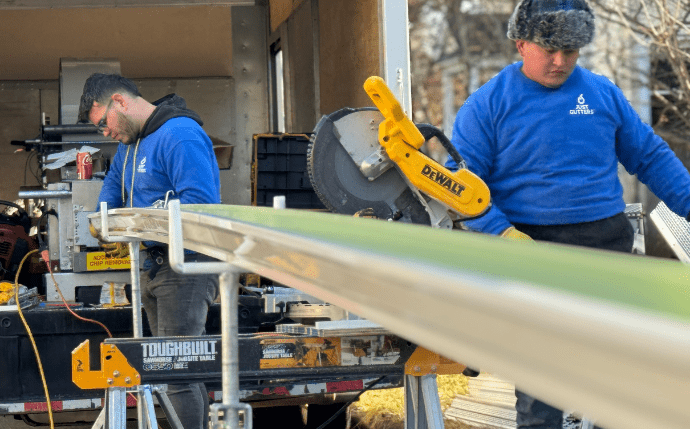
Homeowners usually ask about price first, but the second question comes fast: how long is this going to take? It is a fair concern. Gutter work sits right at the intersection of weather protection, curb appeal, roofing, and scheduling headaches. If crews are coming, ladders are going up, and old material may be coming down, people want to know whether they are signing up for a quick half-day job or a drawn-out project that drags across the week.
The honest answer is that most standard gutter installation jobs on an average single-family home are finished in one day. Some wrap up in a few hours. Others stretch into two days, occasionally longer if the house is complex or related repairs surface once the old gutters come off. That range sounds broad, but in practice the timeline becomes easier to predict once you understand what actually slows a job down.
I have seen homeowners assume the crew is just hanging metal troughs along the roofline. In reality, good Gutter Installation involves measurements, pitch calculations, downspout planning, fastener spacing, ladder safety, fascia condition checks, sealing joints when needed, and cleanup. If the installer is doing the work properly, speed matters less than drainage performance. A gutter system that goes up quickly but holds standing water or dumps runoff at the foundation is not a bargain.
The short answer for most homes
For a typical one-story or two-story house with straightforward rooflines, no major wood rot, and normal access around the perimeter, installation usually takes between four and eight hours. If the home is larger, has multiple corners, dormers, steep sections, or a lot of downspouts, the job may run a full day or closer to two.
Replacement work often takes a little longer than first-time installation on new construction because existing gutters need to be removed, hauled away, and sometimes replaced over damaged fascia. On paper, removal sounds fast. On site, it can expose loose trim, old spike holes, hidden rot, bee nests, or awkward connections at roof edges that nobody saw from the ground.
A small ranch home might be done by lunchtime. A large two-story with a wraparound layout, screened porch, and detached garage might absorb most of the day even with an experienced crew. The square footage of the house matters, but roof complexity matters more.
What actually determines the timeline
The biggest mistake people make is estimating by house size alone. Two homes with roughly the same footprint can have very different installation times. One may have long, clean roof edges and easy access. The other may have ten corners, landscaping that blocks ladders, and a steep back section that forces slower setup.
A few variables have the strongest impact:
- total linear feet of gutters and number of downspouts
- roofline complexity, including corners, valleys, dormers, and level changes
- height of the home and how difficult it is to place ladders safely
- condition of fascia boards, soffits, and roof edge materials
- weather, site access, and whether custom seamless gutters are formed on site
Those five factors explain most of the scheduling difference between a half-day job and a two-day job.
Linear footage sounds obvious, but it is only part of the picture. One hundred fifty feet of straight runs can move quickly. One hundred fifty feet broken into short segments with multiple miters and direction changes takes longer because each transition has to be cut, aligned, and secured correctly. More corners https://cashnwma022.wpsuo.com/why-seamless-gutter-installation-is-worth-considering mean more fabrication and more chances for water to slow down or leak if the details are sloppy.
Home height changes everything. A one-story home gives installers freedom to move quickly and reposition ladders with less effort. A tall two-story or three-story section forces more caution. Safety alone slows the pace, as it should. Crews have to secure ladders, manage longer material lengths overhead, and sometimes stage the work differently to avoid damaging siding, windows, or lower roof sections.
Then there is the condition of the surface the gutters attach to. If the fascia is solid and true, installation is straightforward. If the wood is soft, split, or uneven, the job stops being purely gutter work. Good installers do not just screw new aluminum into rotten boards and hope it holds. They either repair that substrate or pause and explain why it must be repaired before proceeding.
New installation versus replacement
There is a meaningful difference between installing gutters on a home that never had them and replacing an existing system. New installation can be cleaner because there is no teardown, but it also requires careful planning to establish downspout locations and runoff paths from scratch. Replacement seems simpler because the old layout already exists, yet that existing layout may be poorly designed.
I have seen plenty of homes where the original gutters drained right beside the front walkway, into mulch beds that overflowed, or directly at a corner where the basement always got damp. Replacing that system the right way takes more thought than copying what was there before. Crews may relocate downspouts, add extensions, or re-pitch certain runs to improve water movement. That redesign time is worth it, but it adds labor.
Removal itself usually does not consume most of the day unless the old gutters are steel, heavily rusted, badly fastened, or integrated with older roof edge details. Some come down in long sections. Others fight every inch, especially when old spikes have warped the fascia or sealant has hardened around miters and end caps.
Seamless gutters speed some parts and slow others
Many modern installations use seamless aluminum gutters formed on site from coil stock. Homeowners often hear "seamless" and assume it means quicker from start to finish. The truth is more nuanced.
Seamless systems reduce the number of joints, which is good for long-term performance and often shortens assembly time along long straight runs. But they also require precise measuring and mobile forming equipment. The crew has to measure accurately, run the material through the machine, cut to length, and transport each formed section carefully into place without kinking it. On a straightforward house, this process is efficient. On a tight lot with fences, power lines, or limited driveway space, it can become slower than expected.
Sectional gutters, by contrast, may be easier to transport in shorter pieces, but they involve more joints and more sealing points. That can add installation time and future maintenance concerns. From a homeowner’s perspective, seamless Gutter Installation usually offers a better balance of speed and durability, provided the contractor is experienced.
The timeline by home type
A simple way to think about scheduling is to picture the style of house, not just its size. A modest single-story ranch with easy perimeter access often takes half a day to a full day. A standard suburban two-story usually lands at one day. A larger custom home with multiple roof elevations, bay windows, porches, or detached structures may run into a second day.
Townhomes and row houses can go either way. The actual linear footage may be modest, but access can be awkward, especially when side yards are narrow or adjacent units complicate ladder placement. Condos and homes in densely built neighborhoods sometimes take longer for logistical reasons than their size suggests.
Detached garages, workshop buildings, pool houses, and covered patios also affect the schedule. Homeowners sometimes forget to mention those structures during the estimate call, then add them back into the conversation once the crew arrives. That can turn what seemed like a five-hour job into an all-day one.
Why weather can change everything
Gutter crews work outside, on ladders, around metal, at roof edges. Weather matters more than people think. A light cloud cover is usually fine. Heavy rain, gusty wind, lightning risk, or icy conditions can stop work outright. Even if the crew technically could continue, a careful contractor may reschedule rather than rush on slippery surfaces or wrestle long gutter sections in strong wind.
Heat also plays a role. In very hot climates, crews may start early, take more hydration breaks, and move more slowly through the hottest part of the day. That does not mean poor productivity. It means safer work. On a cool, dry day, installation tends to move faster and more predictably.
One of the more frustrating situations for homeowners happens when the schedule looks open but the weather has already backed up the contractor for several days. The actual time on your house may still be one day, but the calendar wait to get there can be much longer during storm season.
Hidden repairs that add hours
The most common reason a gutter project expands beyond the original expected timeframe is hidden damage. Once old gutters are removed, installers may find fascia rot, split trim, water damage behind end caps, insect activity, or roof drip edge issues. None of those problems should be ignored just to stay on schedule.
If the fascia needs minor repair, the crew may be able to handle it the same day, adding an hour or two. If the damage is extensive, the gutter work may pause while a carpenter or roofing technician replaces materials. That can turn a one-day project into a staged repair over several visits.
This is one reason low bids can be misleading. Some contractors price Gutter Installation as if every home is a clean, uncomplicated replacement. Experienced contractors know that older homes, especially those with overflowing gutters or years of deferred maintenance, often carry surprises at the roof edge.
What the crew is doing during installation
From the ground, gutter work can look deceptively repetitive. Measure, lift, screw, move ladder, repeat. In reality, a competent crew is making constant judgment calls.
They are checking for proper pitch so water flows to the downspout without creating obvious visual sag. They are selecting hanger spacing based on material, climate, and run length. They are considering where water will land after it exits the downspout. They are balancing clean appearance with function, especially on visible front elevations where homeowners notice every line.
Most professional crews move through the day in a rhythm. They unload and stage materials, remove old gutters if needed, inspect the attachment surfaces, fabricate sections, install hangers and runs, cut and attach downspouts, seal joints where applicable, test flow if conditions allow, and finish with cleanup. If gutter guards are included, that adds another layer of fitting and fastening.
Gutter guards and add-ons can extend the job
Homeowners often ask about gutter guards in the same conversation, and they should. Guards, splash blocks, underground drain tie-ins, leaf strainers, rain chains, and decorative conductor heads can all affect installation time. None are inherently problematic, but they are not free additions from a scheduling standpoint.
A basic guard system on a standard home may add a couple of hours. A more involved product that requires careful trimming around roof features can take longer. If downspouts are being tied into underground drainage, crews may need to verify slope, connection points, and discharge locations. That can push the work beyond a simple roof-edge install and into light drainage construction.
This is where clear scoping matters. A quote that says "gutters" may not include all the accessories the homeowner assumes are part of the package. Those details influence both cost and time.
How homeowners can help the project move smoothly
You do not need to know how to install gutters to make the day easier. Small practical steps can prevent delays and keep the crew focused on the work instead of logistical workarounds.
- move vehicles away from the house and clear driveway space if seamless equipment is coming
- unlock gates and remove obstacles that block ladder access
- trim back fragile potted plants or outdoor decor near work zones
- mention any known drainage issues before the crew begins
- keep pets and children away from active ladder areas
These simple steps save more time than people realize. Nothing slows a job like a crew having to constantly shift around cars, patio furniture, locked side gates, or an enthusiastic dog sprinting under ladders.
What a realistic schedule looks like from estimate to completion
When homeowners ask, "How long does gutter installation take?" They often mean the on-site labor time. It also helps to separate that from the full project timeline, which starts much earlier.
First comes the estimate and measurement visit. On some jobs, that happens quickly, especially if the contractor uses satellite measurements for preliminary quoting. On custom projects, an in-person visit is better because it reveals grade issues, access constraints, and fascia condition.
Then comes fabrication planning and scheduling. If the contractor is busy, the calendar lag may be a week or two, sometimes longer during peak rain season. HOAs, color matching, or special-order materials can add more time before anyone shows up to install.
The install day itself is often the shortest part of the process. That surprises people. They spend two weeks waiting for a one-day job. But given weather dependency and the need to group routes efficiently, that is normal in this trade.
Signs a contractor is moving too fast
Speed is not automatically a virtue in gutter work. Some efficiency is good. Sloppiness is expensive. If a crew rushes, the problems tend to show up later as overflowing corners, loose downspouts, drips at seams, or standing water in runs that looked fine on day one.
Watch for the details. Are they checking pitch with intent, not just eyeballing every run? Are hangers spaced consistently? Are downspouts placed where water can actually move away from the foundation? Are they addressing soft fascia, or pretending not to see it? The fastest-looking crew is not always the most skilled one.
A very experienced team can move quickly because they are organized, not because they are careless. There is a difference. Their tools are staged, measurements are clean, communication is tight, and each worker knows the sequence. That kind of efficiency often produces the best result.
When a one-day job turns into two
The most common reasons are not mysterious. The house is more complex than expected, hidden repairs appear, weather interrupts the day, or the scope expands once the homeowner adds guards, extra downspouts, or another structure. I have also seen jobs stretch because the original plan undercounted corners or failed to account for difficult rear access behind a fence and landscaping.
On older homes, cosmetic alignment can take longer too. Rooflines are not always perfectly straight, and fascia boards can wave slightly from age. A quality installer may spend extra time balancing visual straightness with correct drainage pitch. That is time well spent. Nobody wants gutters that technically drain but look crooked from the street.
Cost pressure and timing pressure often collide
There is usually a relationship between the lowest bid and the shortest promised timeline, and it is not always a healthy one. A contractor who claims they can replace gutters on a large, complicated home in two hours may be underestimating, cutting corners, or planning to send too small a crew and rush the finish.
That does not mean long timelines are automatically better. Some companies pad schedules because they are disorganized. The goal is not to find the longest estimate. It is to find a realistic one, backed by clear explanations. If a contractor can tell you why your home should take six hours, where delays might occur, and what happens if fascia damage is found, that is a much better sign than a vague promise to be "in and out."
The bottom line on timing
For most homeowners, Gutter Installation is a one-day project. Smaller homes may take only a few hours. Larger or more intricate properties may need two days, especially if old gutters must be removed and repairs show up at the roof edge. The best timeline is not the shortest one on paper. It is the one that leaves you with properly pitched gutters, secure fasteners, sensible downspout placement, and a cleanup that does not leave screws and metal scraps in the flower beds.
If you are trying to plan around the work, ask your contractor two separate questions. First, how many hours do you expect the crew to be on site? Second, what conditions could extend that time? Those answers tell you much more than a generic promise. On a well-run job, the process feels efficient, the crew stays deliberate, and by the end of the day the water management around your home is significantly better than it was that morning.
Just Gutters LLC
Address: 262 Main St, Hackettstown, NJ 07840
Phone number: +12013319454
FAQ About Gutter Installation Hackettstown
Can I install a gutter myself?
Yes, you can install gutters yourself. DIYers typically use aluminum or vinyl sections from home improvement stores. The project requires basic tools, precise measuring, and comfort working on ladders. Key steps include snapping a chalk line for a slight slope (1/4 inch per 10 feet toward downspouts), securing hangers every 2 feet, and caulking all joints securely.
How much does body contouring usually cost?
The Home Depot typically charges between $1,000 and $3,600 for a standard professional gutter installation on a typical single-family home with 200 linear feet of gutters. Calculated on a per-foot basis, the cost usually ranges from $5 to $18 per linear foot, highly dependent on the material you select.
How much does a 40 ft seamless gutter cost?
A 40 ft seamless gutter run will cost between $240 and $1,120+ fully installed, depending on the material you choose. Because seamless gutters require specialized on-site fabrication machines, they are rarely sold as DIY kits and are priced per linear foot.