How to Create a Year-Round Gutter Repair Maintenance Plan
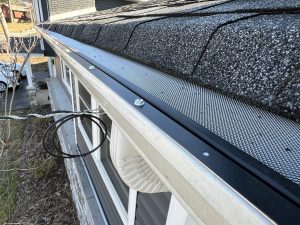


Gutters rarely get much attention until they fail. By then, the problem is usually bigger than a clogged trough or a loose spike. Water has spilled over the edge, soaked fascia boards, stained siding, flooded a flower bed, or found its way into a basement corner that always seemed a little damp after heavy rain. A good year-round plan prevents that chain reaction. It also makes gutter repair more predictable, less expensive, and far safer than reacting in a panic during the first storm of the season.
The best maintenance plans are not complicated. They are consistent. They match the climate, the roofline, the age of the home, and the kinds of trees that hang over the gutters. A house under mature oaks needs a different rhythm than a newer home in a dry subdivision with sparse landscaping. A steep roof in a snowy region needs closer attention to brackets, ice buildup, and downspout drainage than a low-slope roof in a mild climate. If you build the plan around real conditions instead of a generic calendar, you are far more likely to catch small defects before they become repairs that involve rot, mold, or foundation movement.
Start with a realistic baseline
Before you can maintain anything well, you need to know what condition it is in right now. That first assessment tells you whether you are planning routine upkeep or managing a system that is already partway through failure.
Walk the perimeter of the house after a normal rain if you can. That is often more revealing than a dry-weather inspection. You may see water shooting over the front edge at one corner, leaking through a seam, or pouring too close to the foundation because a downspout extension has detached. You may also notice subtle clues that are easy to miss on a ladder, such as dark streaking on siding, mulch channels where runoff has carved through a bed, or soil splashed onto the lower wall.
Then inspect the gutters more closely. Look for sagging runs, standing water, rust, separated joints, bent hangers, split downspouts, and fasteners pulling out of the fascia. If the house has older sectional gutters, pay special attention to seams and end caps. Those are common leak points. If it has seamless aluminum gutters, the weak points are more often corners, outlets, and hardware that has loosened over time.
This baseline matters because not every issue belongs in the same category. Leaves and shingle grit are maintenance. A failing pitch, recurring overflow, or detached section is gutter repair. Soft fascia behind a gutter is no longer just a gutter issue, because the wood substrate may need attention before the gutter can be properly resecured. If you mix those categories together, it is easy to underestimate the work and keep applying temporary fixes to a structural problem.
What a maintenance plan should actually do
A year-round plan is not simply a reminder to clean the gutters in spring and fall. It should do three things well.
First, it should reduce routine buildup before it causes overflow. That means matching cleaning frequency to debris load, not to habit.
Second, it should create regular checkpoints for early gutter repair. A tiny seam leak in April is often still a tiny seam leak in May. Left alone until November, it may be a rotted corner board and a stain line down the brick.
Third, it should account for weather stress. Wind, freeze-thaw cycles, heat expansion, and heavy rain all affect gutter systems differently. The plan needs to anticipate the season ahead, not just react to the season that just passed.
Know the parts most likely to fail
People often think of gutters as one continuous piece of trim around the roofline. In practice, each section has its own wear pattern. Knowing where failures usually start helps you inspect with purpose instead of just glancing at the troughs and assuming they are fine.
Downspout outlets clog faster than long straight runs because they are pinch points. Corners collect debris because water slows there. Hangers and screws loosen where water has been allowed to stand. End caps separate after years of expansion and contraction. Splash blocks and extensions get kicked out of place or buried in mulch, which sends roof runoff back toward the foundation even when the gutter itself is still functioning.
I once looked at a house where the owner insisted the gutters had been cleaned just a month earlier, so he could not understand why water was still pouring over one side. The trough was clean. The problem was a crushed elbow at the bottom of the downspout, probably hit by a mower. The whole upper system was backing up because water could not discharge fast enough. That is the kind of failure a seasonal cleaning alone will miss.
Build your calendar around seasons, not guesswork
A good plan follows the rhythm of the year. Exact timing varies by region, but the logic is consistent. You prepare before the demanding season arrives, then inspect after it passes.
Here is a practical framework:
- Late winter to early spring: inspect for ice damage, loose fasteners, separated joints, and bent sections after freeze-thaw cycles.
- Mid to late spring: clean out seed pods, blossoms, and roof grit, then test water flow through all downspouts.
- Late summer: check pitch, hanger strength, and outlet performance before peak storm season or before leaves begin falling.
- Mid to late fall: remove leaf buildup, clear downspouts, and verify discharge points direct water well away from the house.
- After major storms at any time: do a brief walkaround to spot overflow marks, detached components, or impact damage from branches.
This framework works because it targets the moments when problems most often appear. Spring exposes winter damage. Fall prepares the system for its heaviest debris load. Post-storm checks catch sudden failures before they become chronic.
Match the plan to your property
No maintenance schedule should be identical for every home. Tree cover changes everything. So does roof design. Valleys dump concentrated water into specific sections, which puts more stress on those runs and downspouts. Long gutter spans can sag if hanger spacing is poor. Heavily shaded areas stay wet longer, which encourages corrosion in steel systems and organic buildup in all types.
A one-story ranch with modest tree cover might only need two scheduled cleanings and a few inspections. A two-story home under pines may need attention every couple of months, especially if needles form dense mats that trap water. Houses near the coast deal with corrosion differently than inland homes. In snowy regions, ice can bend gutter aprons, pull down spikes, or distort entire sections under weight. If your plan ignores those realities, it will look neat on paper and fail in practice.
It is also worth considering how accessible the system is. If parts of the roofline are difficult to reach safely, your plan should lean more heavily on professional inspection. A risky ladder setup is not a maintenance strategy.
Separate cleaning tasks from actual gutter repair
One reason homeowners overspend on gutters is that they treat every symptom as a replacement issue. Another reason they underspend is that they treat every failure as something a quick cleaning will solve. The maintenance plan should draw a clear line between routine upkeep and repairs that affect function.
Cleaning removes debris, flushes downspouts, and clears the path for water. Repair restores alignment, sealing, attachment, or drainage performance. If a gutter consistently holds water after cleaning, the issue is not debris. It is usually pitch or support. If a seam leaks every time it rains, repeated caulking without cleaning, drying, and checking movement at the joint often turns into a short-lived patch. If screws keep backing out of the same fascia section, you may be fastening into deteriorated wood.
This https://israelueie242.yousher.com/gutter-repair-safety-tips-for-multi-story-homes is where judgment matters. Not every old gutter deserves repeated repair. If multiple sections are rusted through, the slope is inconsistent, and the fascia has damage in several areas, a piecemeal approach can cost more over two or three years than a targeted replacement. A year-round maintenance plan should help you spot that tipping point early, while you still have time to budget rather than scramble.
The inspection habits that save the most money
The most valuable part of the plan is not the cleaning itself. It is noticing change. Gutters fail gradually, and subtle changes tell the story.
Watch for new drips at seams that were dry last season. Look for one section that now sits slightly lower than the rest. Notice whether one downspout discharges more slowly than another in a similar rain. Check whether mulch is washing out in the same spot again and again. These are low-drama clues, but they often precede expensive damage.
A simple maintenance log helps more than most people expect. It does not need to be elaborate. Record the date of cleaning, what was found, where repairs were made, and whether any sections should be watched next time. Over two or three years, patterns emerge. If the same rear corner clogs every spring, that section may need a larger outlet, a different downspout route, or branch trimming overhead. If one fascia run keeps loosening fasteners, there may be hidden wood decay. A plan becomes much sharper when it is based on recurring evidence instead of memory.
Where gutter guards help, and where they disappoint
Gutter guards can reduce cleaning frequency, but they do not eliminate maintenance. That misunderstanding causes a lot of avoidable problems. Guards perform differently depending on debris type. Larger leaves may stay out reasonably well, while small seeds, granules, and pine needles can still create trouble. Some guards also make inspection harder because clogs build below the surface and go unnoticed until overflow appears.
That does not mean guards are a poor choice. In the right setting, they can be a worthwhile part of a year-round plan. Homes under broadleaf trees often benefit. They are especially useful where access is difficult and keeping large debris out reduces risk. But they are not a replacement for seasonal checks, flushing downspouts, and watching for gutter repair needs at seams, hangers, and fascia connections.
If you install guards, adjust the plan instead of abandoning it. Schedule fewer full cleanings if performance supports that choice, but keep visual inspections and water testing on the calendar.
Safety should shape the plan
Many gutter problems begin with deferred maintenance. Many injuries begin with rushed maintenance. The plan should reduce both.
Do not wait until gutters are overflowing in a storm to deal with them. Wet ladders, muddy ground, and urgency make bad conditions worse. Schedule work in dry weather, and be honest about height and roof complexity. Two-story homes, steep grades, and hard-to-reach overhangs often justify hiring a pro even when the task sounds simple.
For homeowners who handle basic upkeep themselves, a smart working routine matters as much as a sturdy ladder. Stable footing, eye protection, gloves, and a spotter are practical basics. But the bigger safety principle is restraint. If you suspect rotten fascia, unstable gutter sections, or damage near electrical service lines, that is repair territory, not routine cleaning.
Use heavy rain as a diagnostic tool
One of the best ways to test a maintenance plan is to observe the system during or immediately after a strong rain. Water reveals what dry inspections hide.
You can often see whether a gutter is undersized for a roof valley, whether a downspout is partially blocked, or whether water overshoots because the gutter sits too low beneath the drip edge. On some homes, you will notice that the gutter itself is fine but the discharge area below is failing. A downspout that empties next to the foundation can undermine grading, splash against siding, and saturate basement walls without any leak in the gutter at all.
This is also when you can judge whether previous gutter repair work held up. Sealants that looked intact in dry weather may show active dripping. A rehung section may still trap water at one end. If you never observe the system under load, you are only seeing half the picture.
Budgeting for repairs before they become emergencies
A year-round maintenance plan should include money, not just dates. Gutters are one of those systems where modest, timely spending usually prevents much larger bills elsewhere. Reattaching a loose section, resealing a leaking corner, or replacing a damaged downspout elbow is generally manageable. Replacing rotten fascia, repairing soffits, repainting stained trim, correcting erosion, or waterproofing a basement corner is another matter.
Set aside a small annual budget specifically for gutter repair and related drainage fixes. The amount depends on the size and age of the home, but the discipline matters more than the figure. Without a reserve, even minor issues get postponed. Once postponed, they tend to overlap. A leak becomes wood damage. Wood damage weakens attachment. Weak attachment changes pitch. Changed pitch causes standing water. Suddenly the repair list is no longer minor.
This budget should also account for upstream and downstream factors. Overhanging branches, roof debris, poor splash control, and inadequate extensions all affect gutter performance. Sometimes the best gutter repair is actually pruning a limb that drops catkins every spring into the same section.
A practical routine you can keep
The most durable maintenance plans are not the most detailed. They are the ones people will actually follow. Choose a schedule that fits your property and your tolerance for risk, then keep it simple enough to repeat every year.
A workable routine often includes the following checkpoints:
- Inspect gutters visually at the change of each season.
- Clean them at least twice a year, more often if trees or roof design demand it.
- Test every downspout with water after cleaning.
- Repair small leaks, loose hangers, and minor slope issues promptly.
- Reassess the whole system after any severe storm, ice event, or falling-branch impact.
That routine is enough for many homes, especially when paired with notes about recurring trouble spots. It keeps the focus where it belongs, on function, drainage, and early repair.
When to call a professional
Even a strong do-it-yourself plan has limits. If gutters pull away repeatedly, if water enters behind the gutter, if fascia feels soft, or if overflow persists after cleaning, a professional inspection can save time and prevent misdiagnosis. The same is true when downspouts drain into underground lines that may be clogged or broken. Those systems can create symptoms that look like gutter failure even when the troughs themselves are doing their job.
A good contractor will look beyond the obvious leak. They will check pitch, attachment points, discharge path, roof edge details, and the condition of surrounding materials. That broader view matters because gutter repair is really water management repair. The visible drip is just the symptom.
The long view
A year-round gutter repair maintenance plan works because it changes the timing of your decisions. Instead of responding to visible damage, you are anticipating stress, tracking wear, and fixing defects while they are still small. That is what keeps a gutter system boring, and boring is exactly what you want. Water enters, moves, exits, and stays away from the house.
Most gutter failures are not mysterious. They come from buildup, neglect, weather strain, poor drainage at the bottom, or small defects that go uncorrected too long. A plan turns those predictable problems into manageable tasks. It gives you cleaner lines, fewer surprises, lower repair costs, and far less chance that a simple gutter issue will become a siding, fascia, landscape, or foundation problem.
If the plan feels modest, that is a good sign. The best maintenance systems are rarely dramatic. They are steady, seasonal, observant, and grounded in how water actually behaves on your house. That is the level where gutter repair stops being a recurring headache and becomes routine property care.
Just Gutters LLC
262 Main St
Hackettstown, NJ 07840, United States
Phone: +1 201-331-9454
FAQ About Gutter Repair
Is it cheaper to repair or replace gutters?
Repair can cost less when damage is limited and the remaining system is sound. Replacement may offer better value when leaks, corrosion, or repeated failures affect several sections. An inspection and written estimate can help compare the options.
Can damaged gutters be repaired?
Many localized problems, including leaking joints, loose brackets, sagging sections, and damaged downspout connections, can be repaired. The best approach depends on the material, extent of damage, and condition of the mounting surface.
Can I repair gutters myself?
Simple ground-level checks may help identify a problem, but roof-edge work carries fall risks and may require specialized tools. Professional assessment is advisable for high gutters, loose sections, hidden wood damage, or uncertain drainage problems.